A Real Designer's Look at the Lily of the Valley Embroidery File
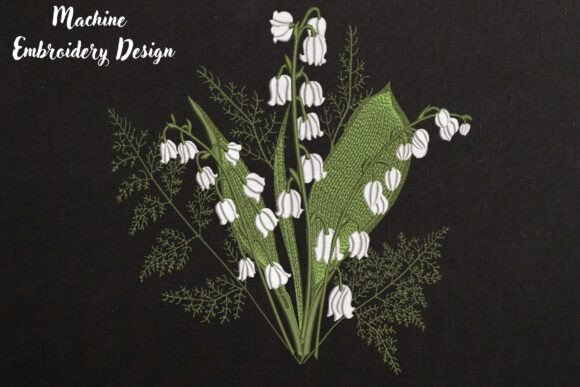
When I download a new floral embroidery design for client work, my first question is always about its personality. Does it feel like a mass-produced clip-art flower, or does it have the soul of a real botanical sketch? Opening the Spring Lily of the Valley Flowers file, the immediate impression is one of delicate grace. This isn't a loud, bold statement piece; it's a soft, thoughtful accent. The layout of the tiny bell-shaped flowers and the fine, trailing foliage creates a gentle, almost nostalgic mood. It feels like a design meant for a personal touch, not just decoration.
Where This Design Finds Its True Home
I mentally start placing it on products. This embroidery design wouldn't overpower a baby's blanket or a little linen pillow for a nursery. Its soft green leaves and small white blossoms speak to spring, renewal, and gentle beauty. I picture it beautifully on the corner of a cotton kitchen towel, a subtle gift for a gardener. Or, as a single, elegant motif on the chest of a lightweight sweatshirt – it’s the kind of detail that makes a garment feel special and handmade, not just branded.
For small business owners and Etsy sellers, this is a strong candidate for creating a line of personalized gifts. Think of monogrammed totes with this cluster beside a name, or wedding gift tea towels with the design as a quiet emblem of happiness. The finished product would carry a sense of crafted care, which buyers deeply appreciate. It elevates a simple custom apparel item into something with a story.
A Practical Test: The Custom Tote Bag Scenario
Let’s walk through a real case. Imagine a client orders a custom embroidered tote bag as a Mother’s Day gift. They want something “fresh and delicate.” I’d choose a natural canvas or linen bag, and the Spring Lily of the Valley Flowers would be my frontrunner. The design’s cluster shape fits nicely on a bag panel without needing a massive hoop. The fine details, however, demand attention. On textured fabric like canvas, I’d use a firm stabilizer to ensure those tiny white bells don’t get lost in the weave. The stitch density looks designed to be light enough not to stiffen the bag fabric, which is crucial for usability.
The outcome? A tote that feels artisan. The customer receives a gift that looks thoughtfully designed, not just stamped with a generic pattern. This builds immense customer trust and reinforces your brand as a source of quality handmade products.
Careful Stitching: Where to Be Mindful
This design’s beauty lies in its delicacy, which is also its practical challenge. The small, intricate elements mean you must be cautious on certain projects. On very stretchy fabric like a thin t-shirt, without perfect stabilization, those fine lines could distort. Embroidering it on a curved surface like a cap requires careful positioning so the cluster sits cleanly on the crown, not wrapping into a seam.
The contrast between the white flowers and green leaves is lovely, but on dark fabric backgrounds, you need to think it through. A white satin stitch for the bells on a black sweatshirt will pop beautifully, but you might consider a very pale green or even a light grey for the foliage to keep the soft mood, avoiding a harsh, neon-green contrast. Always test on scrap fabric first with your chosen thread colors.
For items that need frequent washing – like baby clothes or kitchen linens – the density seems appropriate. It shouldn’t create a thick, bulky area that cracks under stress. But again, testing is key to ensure longevity.
Turning a Digital File into a Commercial Asset
For creative entrepreneurs selling finished goods or even digital product mockups, this design offers clear value. Its thematic clarity (spring, floral, delicate) makes it easy to market. In printable mockups for a sweatshirt or tote, it instantly communicates a style – boutique, gentle, natural. This helps with buyer engagement, as they can visualize the end product immediately.
If you're using it for commercial embroidery projects, like producing a line of aprons for a small shop, it provides consistent, recognizable branding. A series of products all featuring this same lily of the valley cluster creates a cohesive, professional look.
Notes From the Hoop: Before You Stitch
My final thoughts are always the practical checklist. For the Spring Lily of the Valley Flowers, I’d advise:
- Always review the actual stitch count and density in your software before hooping. Delicate designs can sometimes have surprisingly dense fills that affect fabric drape.
- Check the required hoop size. A design with this layout likely needs a modest hoop, making it versatile for smaller home machines.
- Inspect the small details. Zoom in and ensure the pathways for the tiny bells are clear and won’t merge into a blob on your specific machine and thread.
- Test it in both light and dark fabric simulations, even simple black and white mockups, to judge contrast and clarity.
- Confirm the licensing terms for this embroidery file. Before selling any finished items or including it in your own digital product bundles, you must know if it’s licensed for personal use, commercial use, or both.
- Use the appropriate stabilizer for your base fabric. This design’s fine foliage details demand a stable surface to stitch cleanly.
In essence, the Spring Lily of the Valley Flowers embroidery design is a tool for creating emotion. It’s not just a pattern; it’s a mood. When stitched with care on the right product, it transforms a simple item into a meaningful personalized gift or a standout small shop product. It reminds us that in machine embroidery, the file is just the beginning. The real magic is in choosing the right design for the story you, or your client, want to tell.