Evaluating the Floral Ornate Koi Fish Embroidery Design
When you're in the business of creating, whether for a client, your small shop, or a personal gift, choosing an embroidery design is more than just picking a pretty image. It's about envisioning how it will stitch out, how it will feel on the final product, and how it will resonate with the person who receives it. Today, I'm taking a close look at the Floral Ornate Koi Fish embroidery file, thinking through its real-world potential.
First Impression: Elegance with a Handmade Soul
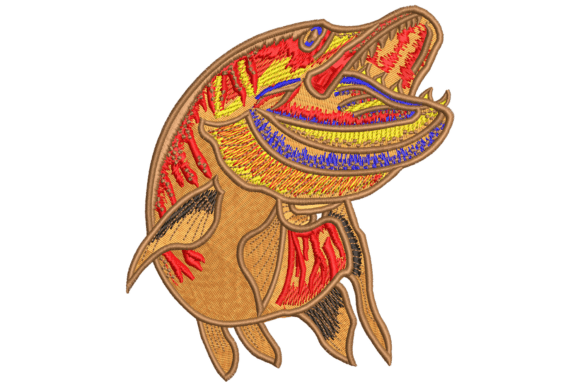
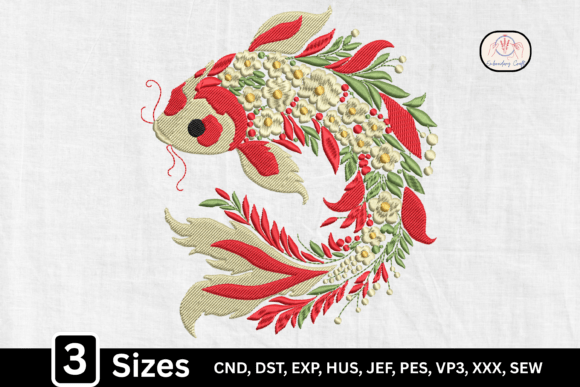
The name tells you exactly what you’re getting: a Floral Ornate Koi Fish. My immediate thought wasn't just "fish," but a symbol. This design combines the serene, flowing shape of a koi with delicate floral embellishments. The layout feels balanced—the koi is the central, graceful anchor, and the flowers act as decorative accents, not chaotic clutter. The detail level suggests it’s meant to be a statement piece, not a tiny logo. It creates a mood of peaceful beauty, a touch of artistic luxury. I instinctively picture it on items meant to be cherished, not just used.
The Perfect Project Match: Where This Design Naturally Belongs
Let’s talk application. I’m imagining a specific scenario: a custom embroidered tote bag for a boutique. This isn’t just about stitching a design; it’s about elevating a product. The Floral Ornate Koi Fish has the visual weight and elegance to transform a simple canvas tote into a premium, handmade accessory. The same principle applies to a high-quality sweatshirt, a decorative pillow cover for a nursery or living room, or a special apron. Its personality leans towards gifts—think wedding presents, milestone birthday keepsakes, or high-value holiday items for an Etsy shop. It feels more "boutique product" than "everyday tee," which is a crucial distinction for your product planning.
Performance on Real Products: A Practical Walkthrough
How will this machine embroidery design behave once we hit "start"? For custom apparel like sweatshirts or t-shirts, the ornate detail requires good stabilizer and a fabric that can handle the stitch density. On a tote bag, it will look stunning and withstand wear. For baby items, like a blanket or a special outfit, the theme is gentle and artistic, but you must consider scale—a large, dense design might be too heavy for very delicate fabric. As an embroidered patch, it would be a beautiful, standalone piece, but converting it would require checking the edge clarity.
For home decor, such as pillow covers or kitchen towels, it’s a fantastic fit, adding a personalized, artisan touch. In a commercial embroidery context, say for a small line of branded merchandise, this design could serve as a signature, elegant logo for a creative business. Its visual appeal directly impacts perceived product value. A customer seeing this on a handmade product trusts the craftsmanship; it looks intentional and professional, which boosts engagement and, frankly, the selling price.
Careful Placement: Where to Proceed with Caution
Every design has its ideal habitat and its less-suited territories. The ornate nature of this Floral Ornate Koi Fish means I’d be cautious on very small hoop sizes. The details—the floral elements, the koi’s shape—need space to breathe and stitch out clearly. Textured or highly stretchy fabrics could distort those beautiful lines. Stitching on dark fabric backgrounds is absolutely possible, but it demands thoughtful thread color selection to maintain contrast and clarity.
Applying it to curved surfaces like caps requires testing; some of the longer, flowing lines might need adjustment in positioning. Also, consider the end-use: products destined for frequent washing, like everyday tea towels or activewear, need a robust stitch construction. If the design file has very dense fill stitch areas, they must be durable. Always, test on scrap fabric first.
Designer Notes: Your Pre-Stitch Checklist
Before you commit this to a client’s project or your next craft fair inventory, run through these practical steps. They’ve saved me from many a misstep.
- Test, Test, Test: Run the embroidery file on a scrap of your intended fabric. Check for puckering, stitch clarity, and how the small floral details render.
- Color Contrast: Review your thread palette. Does it pop on light fabric? Does it hold its elegance on dark? Create black and white mockups to see the value contrast.
- Inspect the Details: Look closely at the design preview. Are there tiny corners or satin stitch elements that might need a slower stitch speed or different stabilizer?
- Hoop Size & Stabilizer: Confirm the physical space you need. This isn't a mini-design. Use a stabilizer that matches your fabric weight and the design’s density.
- License & Use: Crucially, check the licensing terms of the digital embroidery file. Is it cleared for commercial use on the finished products you plan to sell? Never assume.
- Think in Mockups: How will it look in your Etsy listing photo or on a printable mockup for a digital product preview? Its visual appeal is a key selling asset.
The Final Stitch: Adding Value to Your Creative Work
Ultimately, the Floral Ornate Koi Fish is more than an embroidery file. It’s a design asset that can enhance your brand consistency, elevate the giftability of your items, and attract customers looking for something recognizably beautiful and handmade. It asks for a bit of thoughtful application—respecting its scale and detail—but rewards you with a finished product that feels considered and artistic. Whether you're an apparel decorator, a hobbyist making a personalized gift, or a creative entrepreneur building a small shop product line, this design has the potential to be a cornerstone of projects meant to make a lasting, graceful impression.