Floral Line Art: A Designer’s Review for Business Branding
As a professional embroidery designer, I see countless files intended for decoration. But when evaluating a design like Floral Line Art for small business merchandise and branded patches, my perspective shifts entirely. This isn't about a charming touch for a towel; it’s about investing in a design asset that must represent your brand, endure production, and add tangible value to your products.
The First Impression: Whimsical but Professional
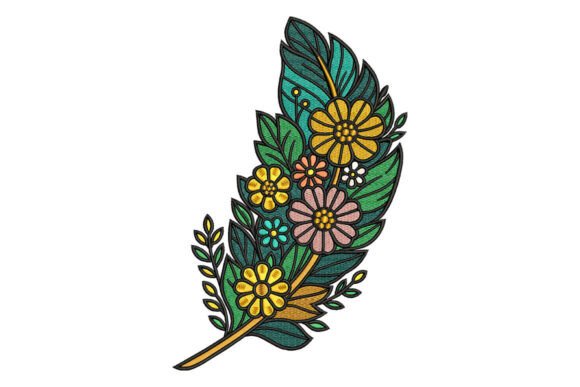
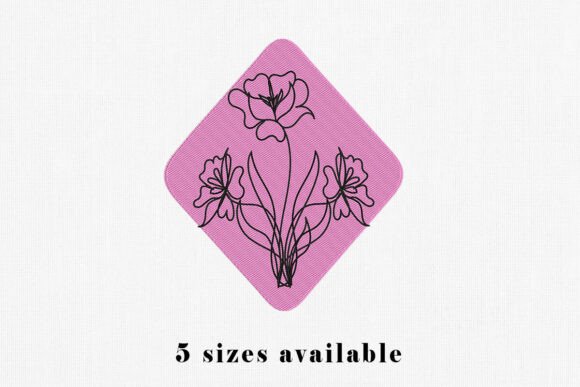
The title Floral Line Art suggests a clean, illustrative style. This approach is a powerful starting point for businesses. It feels modern and friendly, yet retains a sense of professionalism. Unlike dense, traditional floral motifs, a line art interpretation is inherently versatile. For a small café, boutique, florist, or creative studio, this aesthetic bridges handmade charm with a clean, contemporary look that customers often associate with quality and attention to detail.
Real-World Application for Business Merchandise
Let’s translate that first impression into real small business merch. The description hints at use on t-shirts and towels, but its potential for commercial embroidery is far broader.
Perfect for Branded Patches and Accents
Floral Line Art is an excellent candidate for an embroidered patch. Its illustrative nature means it can be rendered clearly at smaller sizes, making it ideal for a subtle chest logo accent on staff uniforms, a sleeve detail on work shirts, or a mark on tote bags. For a handmade shop or Etsy seller, a patch featuring this design sewn onto product packaging or as a label add-on immediately elevates the handmade product presentation.
Uniforms, Caps, and Aprons
Consider a local bakery or pet brand wanting embroidered aprons or caps. The design's likely lower stitch density compared to filled designs is a major advantage here. On curved surfaces like cap fronts or textured fabrics like apron twill, a simpler line art file can produce a crisp, clean result without puckering. It communicates brand identity—think of a florist's apron with this design—without overwhelming the garment.
Tote Bags and Customer Gift Merch
For tote bag design or event merch, Floral Line Art offers a decorative yet brand-coherent element. It’s more than just a generic decoration; it becomes a recognizable symbol of your business. When customers use a tote bag with this embroidery at the market, it serves as a subtle, ongoing brand reminder.
Careful Considerations for Production Success
While promising, any machine embroidery design requires practical scrutiny before committing to production for custom apparel or merchandise.
Scale and Size Testing is Crucial
You must test this embroidery file at your intended patch size. Even elegant line art can lose definition if stitched too small. Before ordering 50 staff polos, embroider a sample on the actual fabric at the exact location and size. Check the spacing between lines; is it clear on a dark uniform? Does it hold its identity on a cap's curved front? This step is non-negotiable.
Thread Color and Fabric Context
Thread colors and contrast are paramount. A single-color version of Floral Line Art might be most versatile for branding. Test it in black on white and white on black first to assess its strength. Consider your primary uniform color—will the design need a contrasting thread or a matching tone for a more subtle effect? The fabric texture and proper stabilizer choice will dramatically affect the final look on items like towels or textured tote bags.
Longevity and Commercial Licensing
Business merchandise faces frequent washing and wear. A design with clean outlines and good stitch integrity, like line art often provides, tends to withstand this better than overly detailed, dense fills. Finally, always confirm commercial licensing before business use. Ensure the digital embroidery file you purchase allows for application on products you sell or uniforms you produce.
Impact on Brand Identity and Customer Perception
This is where Floral Line Art moves from a technical file to a strategic asset. A consistent, well-executed embroidery mark builds brand identity and customer trust. It signals professionalism and care. On a boutique’s merchandise, it adds perceived product value. For a creative studio, it reinforces visual consistency across client gifts, event merch, and team apparel.
It engages buyers by offering a tangible, quality touchpoint. A customer receiving a product with a finely embroidered Floral Line Art patch perceives more care than one with a printed logo. It supports a narrative of craftsmanship, which is invaluable for Etsy sellers, handmade brands, and local businesses.
Practical Designer Notes Before You Begin
Based on the description provided, here is my distilled advice for using Floral Line Art in your business projects:
- Create a printable mockup for client or internal approval before any stitching.
- Physically test on real fabric samples that match your final products (apron twill, polo pique, canvas tote).
- Check the required hoop size for your intended applications; some items like caps require specific hoops.
- Compare it beside your other design assets (logo, typography) to ensure visual harmony.
- If the product description lacks specific stitch counts or file format details, request or verify them from the designer to ensure compatibility with your equipment and production scale.
- Remember, a successful finished product starts with a rigorous review of the design file itself.
In conclusion, Floral Line Art presents a compelling opportunity for small businesses seeking to enhance their merchandise with embroidery. Its whimsical yet clean personality aligns with many brand vibes, and its technical potential for patches, uniforms, and bags is strong. Approach it with the rigor of a business asset—test thoroughly, consider context, and leverage its ability to tell a story of quality and care through every stitch.