Floral Sketch Embroidery Set: A Designer's Review
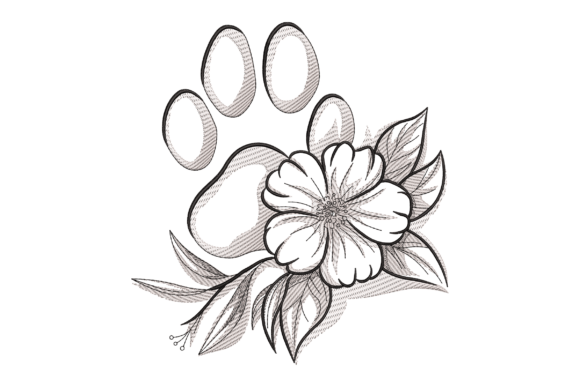
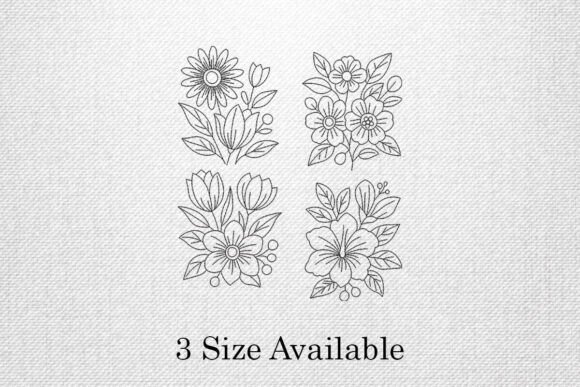
As an embroidery designer preparing for a craft fair, my first task is to scrutinize new designs for their real-world potential. The Floral Sketch Stitch Embroidery Set immediately presents itself as a versatile asset. Based on the description, it falls into the Outline Flowers category, which suggests a certain aesthetic: not densely filled, but rather a sketched, linear, and likely modern or rustic charm. This isn't a bold, festive statement; it feels more soft, minimal, and decorative. That's a powerful niche at markets, appealing to customers looking for elegant, understated handmade quality rather than loud patterns.
First Impressions at the Booth
Imagine your display: tote bags, aprons, tea towels, and pillow covers arranged to attract attention. A design like this shines through subtlety. On a busy table, intricate, dense designs can sometimes look cluttered from a distance. The sketched outline style of the Floral Sketch Stitch Embroidery Set offers clarity. A customer scanning your booth will likely notice it on a clean, linen tea towel or a light-colored canvas tote bag because it reads as a deliberate, artistic line drawing. It feels premium and thoughtful, not mass-produced.
Where This Design Will Sell Best
Evaluating the described applications—tote bags, pillow covers, tea towels, table runners, quilt blocks, denim jackets—reveals its strengths and practical considerations.
- Tote Bags & Market Bags: This is a prime candidate. The open, sketch-like design won't become a stiff, heavy stitch area on bag fabric. It works as a large focal piece on the front panel, adding value without overwhelming the bag's utility. It photographs beautifully for Etsy listings against neutral backgrounds.
- Tea Towels & Aprons: Kitchen textiles are a craft fair staple. Here, the design must contend with fabric texture. On a textured towel, an outline design with clean lines can retain clarity better than a filled design that might get lost in the weave. It's an elegant accent for a farmhouse or modern kitchen aesthetic.
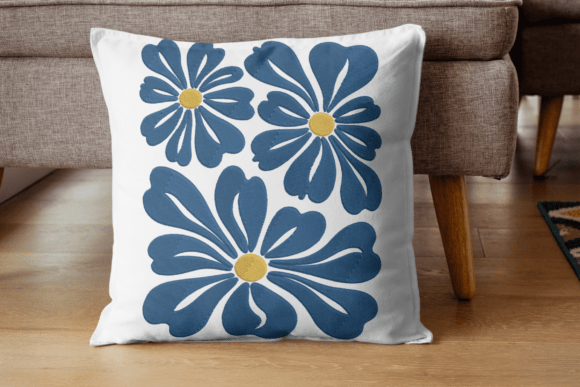
- Pillow Covers & Table Runners: As a decorative element for home goods, this set likely offers scalability. It could be used as a repeating border on a runner or a single, centered motif on a pillow. Its minimal nature ensures it complements the fabric, not dominates it, appealing to buyers looking for cohesive home decor.
- Denim Jackets & Caps: These are trickier. Curved cap surfaces and thick denim require careful hooping and stabilizer choice. As an outline design, the stitch density should be lower, which is good for curved surfaces. However, tiny details or very small lettering within the sketch could lose integrity on thick fabric. A test on scrap denim is crucial.
- Embroidered Patches & Pouches: For small, giftable items like patches or fabric pouches, the design must be evaluated at a reduced size. Will the sketched lines remain distinct when shrunk? If the embroidery file includes very fine details, they may blur. This set might excel as a medium-sized patch rather than a miniature one.
Practical Production for Your Small Shop
Turning a digital embroidery file into batch-produced craft fair products requires a practical lens. Here's my evaluation for production efficiency.
- Batch Production & Repeatability: Outline designs are often faster to stitch than filled ones, meaning you can produce more units per hour for your booth inventory. This is a major advantage for a small shop product. Consistency is key—the clean lines should look identical across multiple items, strengthening your brand's reputation for quality.
- Thread Colors & Contrast: This will likely use a limited palette. Fewer thread changes speed up production. The real test is contrast: on dark fabric, a single light thread color might create a stunning effect, but on light fabric, you need to ensure the lines are dark enough to be visible. Always test on scrap fabric in various colors you plan to use.
- Hoop Size & Stabilizer: The description doesn't specify a hoop size, so you must check the file details. A design meant for a table runner might require a large hoop, which isn't always practical for small items. Ensure you have the right stabilizer for the fabric—for towels and bags, a cut-away might be needed for durability, even with an outline design.
- Photography for Online Sales: A sketched floral design photographs with a clean, graphic quality. It's easy to create printable mockups and design assets for your Etsy shop or website. The minimal style looks professional and high-value in product photos, directly impacting customer engagement and perceived product value.
Critical Designer Notes Before You Stitch
Before committing this design to your fair inventory, follow these hands-on steps. They separate a successful product from a problematic one.
- Create a Real Mockup: Stitch it on your intended primary product—say, a canvas tote bag. Examine the physical result. Does it look as crisp as the digital preview? This is your booth sample, so it must be perfect.
- Check Spacing & Density: Run the file and inspect the stitch path. Are there overly dense areas that could pucker lightweight fabric? Are lines spaced well so they don't merge into a blur? Adjust machine settings if needed.
- Confirm Licensing: The description mentions it's perfect for embroidery lovers, but you must confirm commercial licensing before selling finished products. Many digital files are for personal use only. This is a non-negotiable step for any commercial embroidery business.
- Compare Fabric Colors: Stitch the same design on white, cream, grey, and black scraps. See how the thread color performs. You might discover that a navy thread on cream sells the rustic look better than black on white.
- Evaluate Small-Scale Use: If you plan to make patches or cap designs, stitch it at a reduced size. Do the floral sketches retain their charm and clarity? If not, limit its application to larger items.
The Final Verdict for Craft Fair Success
The Floral Sketch Stitch Embroidery Set holds significant promise for the handmade market seller. Its outline style aligns with current trends for minimal, decorative home goods and apparel. It offers production speed advantages and photographic appeal. Its versatility across tote bags, towels, and pillows means you can create a cohesive product line for your booth, enhancing brand consistency and booth display strength.
However, its success hinges on your due diligence. Its application on textured fabrics and curved surfaces requires testing. Avoid assuming it will work everywhere. Focus on its strongest venues: linen tea towel embroidery, canvas tote bag design, and cotton pillow cover embroidery. In these categories, it will feel premium, handmade, and desirable. It will attract the customer who values artistry over ornamentation, and for your business, that's a valuable and profitable niche to fill.