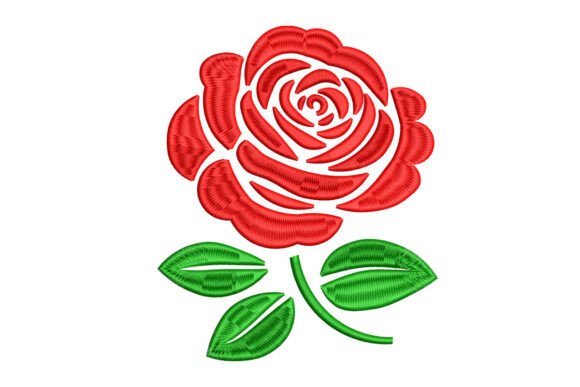
The Minimalist Rose Flower Embroidery Design Review
From my booth at a bustling weekend craft fair, I watch customers browse. Their eyes scan a table filled with embroidered tote bags, aprons, and tea towels. What catches their attention? Often, it’s a design that offers a clear, elegant idea instantly. Let’s review the Minimalist Rose Flower embroidery design from that exact perspective: as a tool for creating products that sell in a live, tactile marketplace.
First Impression: Modern Elegance That Sells
The Minimalist Rose Flower presents itself as a simple, graceful line-art rose. This isn’t a dense, realistic floral; it’s a suggestion of a rose, rendered with clean lines. The immediate feel is modern sophistication. It doesn’t scream “cute” or “rustic.” Instead, it whispers “refined” and “considered.” For craft fair sellers targeting customers who appreciate clean, contemporary aesthetics—think boutique makers, shoppers looking for a chic kitchen towel or a stylish tote—this design hits a specific and profitable mood. It feels premium without being fussy.
Product Performance: Where This Design Stands Out
When I imagine stitching this onto products for my booth, certain items immediately come to mind as perfect canvases.
- Tote Bags & Market Bags: This is a prime application. The minimalist style acts as a sophisticated brand marker on a bag. It’s not overwhelming, but it elevates a simple canvas tote into a designer-looking accessory. It photographs beautifully for online listings.
- Aprons & Tea Towels: For kitchen textiles, the design offers a touch of elegance without clashing with a farmhouse or modern kitchen aesthetic. On a linen tea towel, the single flower becomes a beautiful, saleable accent.
- Pillow Covers & Fabric Pouches: As a focal point on a pillow or a small pouch, the rose provides a gentle decorative element. It’s ideal for giftable handmade items where the design shouldn’t be too loud or thematic.
- Embroidered Patches & Caps: Here, caution and testing are key. The line-art nature means small details must remain clear. On a curved cap surface or as a standalone patch, you must verify the design retains its graceful shape at the intended size. It could be stunning on a denim jacket patch if the stitches are clean.
For batch production, the Minimalist Rose Flower is promising. Its simplicity likely means reasonable stitch counts and faster production times, which is crucial for stocking a craft fair booth with multiple items. It feels repeatable across a product line, aiding brand consistency.
Practical Production & Booth Display Considerations
As an embroidery designer preparing for a fair, my mind goes to the practical hurdles. This design, being line-art, has specific needs.
- Stitch Density & Detail: While described as simple, any line-art design can have dense stitch areas where lines converge. Always test on scrap fabric first. Check that the stitch density doesn’t puckerr light fabrics like those used for pillow covers.
- Thread Contrast & Fabric Color: This design thrives on contrast. On dark fabric—a black tote bag, for instance—you need a bright, opaque thread (like white or pale pink) to make the elegant lines pop. On light fabric, a dark or muted thread can create a subtle, sophisticated look.
- Fabric Texture: On textured towels or linen, the design may gain a lovely handmade quality, but test to ensure the texture doesn’t break up the clean lines too much.
- Photography & Online Sales: For your Etsy shop or online mockups, this design is a winner. Its clear, uncluttered form looks excellent in product photos, making the handmade product look professional and desirable.
A key booth strategy is to create at least one real, finished mockup of the Minimalist Rose Flower on your best-selling product—perhaps a tote bag. Display it prominently. Its elegance can draw customers in, making them imagine it on their own belongings.
Customer Engagement & Perceived Value
At the fair, customers touch and examine products. The value of a machine embroidery design like this is in its perceived craftsmanship. When stitched neatly with good thread and stabilizer, the minimalist rose conveys skill. It doesn’t look like a mass-produced graphic; it looks like a thoughtful, handmade addition. This elevates the product’s value. Customers browsing for a special gift or a timeless item for their home will notice this quality. It engages them not with loud colors, but with quiet confidence.
Essential Designer Checklist Before Selling
Before you stitch this onto products for commercial sale, run through this quick list. It protects your reputation and ensures customer satisfaction.
- Confirm the exact hoop size required for the embroidery file. Does it fit your standard product hoops?
- Check the recommended thread colors from the design details, or choose a palette that fits your brand.
- Test the design on the actual fabric texture you plan to use (e.g., canvas for totes, cotton for towels).
- Inspect the stitch-out for any overly dense areas that might require adjustment or specific stabilizer.
- Verify the licensing terms for the digital embroidery file to ensure your intended commercial embroidery use is permitted.
- Compare how the design looks on different fabric colors in your product line to ensure consistent appeal.
The Minimalist Rose Flower is more than just a Single Flowers embroidery file. It’s a versatile design asset that, when applied thoughtfully, can strengthen your entire craft fair product lineup. It speaks to a customer seeking elegance, and it offers you, the maker, a reproducible path to creating beautiful, saleable items. In the end, that’s what fills your booth and your sales ledger: designs that connect clearly, look impeccable in person, and stitch out reliably, time after time.